


Recommended Paint
Product title
Vendor
£19.99 | £24.99
Product title
Vendor
£19.99 | £24.99
Product title
Vendor
£19.99 | £24.99
Product title
Vendor
£19.99 | £24.99
Product title
Vendor
£19.99 | £24.99
Product title
Vendor
£19.99 | £24.99
Product title
Vendor
£19.99 | £24.99
Product title
Vendor
£19.99 | £24.99
Product title
Vendor
£19.99 | £24.99
Product title
Vendor
£19.99 | £24.99
Product title
Vendor
£19.99 | £24.99
Product title
Vendor
£19.99 | £24.99
Product title
Vendor
£19.99 | £24.99
Product title
Vendor
£19.99 | £24.99
Product title
Vendor
£19.99 | £24.99
Product title
Vendor
£19.99 | £24.99
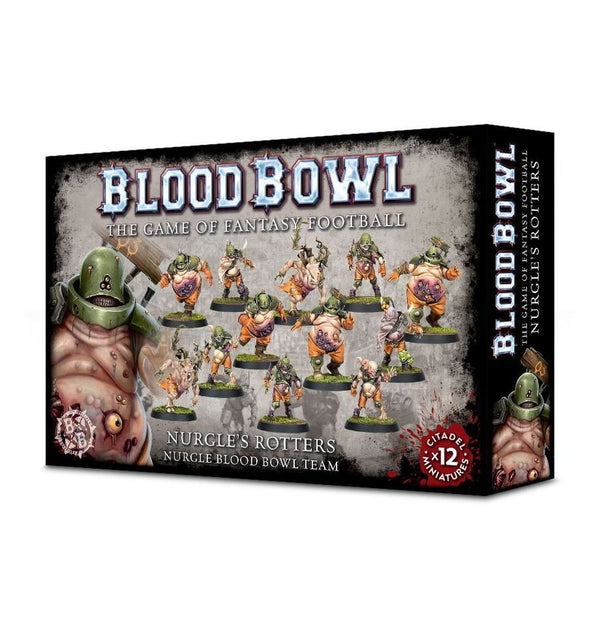
The Rotters rose to fame long ago, having the distinction of being one of the earliest Chaos teams on the circuit to dedicate themselves to a single Chaos god – Grandfather Nurgle himself. Their patron was delighted, lavishing gifts and mutations upon his favoured followers. Today, despite numerous recent setbacks, the Rotters stand poised to once again spread their influence across the leagues and tournaments of the world, bringing Nurgle’s blessings to lands far and wide…
Product title
Vendor
£19.99 | £24.99
Product title
Vendor
£19.99 | £24.99
Product title
Vendor
£19.99 | £24.99
Product title
Vendor